Something Bizarre Has Been Hiding Behind the Milky Way
Support this channel on Patreon to help me make this a full time job: https://www.patreon.com/whatdamath (Unreleased videos, extra footage, DMs, no ads)
Alternatively, PayPal donations can be sent here: http://paypal.me/whatdamath
Get a Wonderful Person Tee: Amazon: https://amzn.to/3QFIrFX
Hello and welcome! My name is Anton and in this video, we will talk about the mysterious zone of avoidance
Links:
https://arxiv.org/pdf/2605.24648
https://www.sarao.ac.za/news/vela-the-true-scale-of-a-hidden-giant-structure-revealed/
https://www.pure.ed.ac.uk/ws/portalfiles/portal/690214558/aa60814-26.pdf
https://arxiv.org/pdf/2406.16646
Laniakea: youtube.com/watch?t=555&v=knxQ4Akfxy4&feature=youtu.be
#zoneofavoidance #milkyway #astronomy
0:00 Zone of Avoidance and what it is
3:05 How did we learn to map it so well?
6:20 Unusual first discoveries - Vela supercluster
7:20 Bizarre treble clef explained
9:25 Hidden galactic cluster
10:25 Low surface brightness galaxy
11:25 Circinus galaxy discoveries
12:45 Why this matters
Enjoy and please subscribe
Bitcoin/Ethereum to spare? Donate them here to help this channel grow!
bc1qnkl3nk0zt7w0xzrgur9pnkcduj7a3xxllcn7d4
or ETH: 0x60f088B10b03115405d313f964BeA93eF0Bd3DbF
The hardware used to record these videos:
New Camera: https://amzn.to/4pCVINS
CPU: https://amzn.to/4qXIaxC
Video Card: https://amzn.to/2M1W26C
Motherboard: https://amzn.to/2JYGiQQ
RAM: https://amzn.to/2Mwy2t4
PSU: https://amzn.to/2LZcrIH
Case: https://amzn.to/2MwJZz4
Microphone: https://amzn.to/2t5jTv0
Mixer: https://amzn.to/2JOL0oF
Recording and Editing: https://amzn.to/2LX6uvU
Some of the above are affiliate links, meaning I would get a (very small) percentage of the price paid.
Thank you to all Patreon supporters of this channel
Special thanks also goes to all the wonderful supporters of the channel through YouTube Memberships
Credit:
Mark Garlick www.markgarlick.com
Pablo Carlos Budassi CC BY SA 4.0 https://en.wikipedia.org/wiki/Circinus_Galaxy#/media/File:142_circinus_galaxy.png
Kevin Jardine at galaxymap.org
Hd93129 - CC BY SA 4.0 https://en.wikipedia.org/wiki/Local_Sheet#/media/File:LocalSheet.jpg
Licenses used:
https://creativecommons.org/licenses/by/4.0/
and relevant Creative Commons licenses
This Supernova Left Behind a Star That Shouldn't Exist
Support this channel on Patreon to help me make this a full time job: https://www.patreon.com/whatdamath (Unreleased videos, extra footage, DMs, no ads)
Alternatively, PayPal donations can be sent here: http://paypal.me/whatdamath
Get a Wonderful Person Tee: Amazon: https://amzn.to/3QFIrFX
Hello and welcome! My name is Anton and in this video, we will talk about PA 30 - the strangest supernova remnant in the galaxy
Links:
https://iopscience.iop.org/article/10.3847/1538-4357/ae9cb2/pdf
https://arxiv.org/pdf/1707.01110
Previous video: https://www.youtube.com/watch?v=P2NkN4EV4Ik
#pa30 #supernova #milkyway
0:00 Strangest supernova remnant - Pa 30
1:10 1181 AD guest star
2:25 How this was found
3:40 Strange features of the remnant
5:05 New type of a supernova
6:45 Similar discoveries elsewhere
7:20 Super strange star left behind
9:20 New discoveries about the tendrils and filaments
12:10 Implications for dark energy research
13:20 Conclusions
Enjoy and please subscribe
Bitcoin/Ethereum to spare? Donate them here to help this channel grow!
bc1qnkl3nk0zt7w0xzrgur9pnkcduj7a3xxllcn7d4
or ETH: 0x60f088B10b03115405d313f964BeA93eF0Bd3DbF
The hardware used to record these videos:
New Camera: https://amzn.to/4pCVINS
CPU: https://amzn.to/4qXIaxC
Video Card: https://amzn.to/2M1W26C
Motherboard: https://amzn.to/2JYGiQQ
RAM: https://amzn.to/2Mwy2t4
PSU: https://amzn.to/2LZcrIH
Case: https://amzn.to/2MwJZz4
Microphone: https://amzn.to/2t5jTv0
Mixer: https://amzn.to/2JOL0oF
Recording and Editing: https://amzn.to/2LX6uvU
Some of the above are affiliate links, meaning I would get a (very small) percentage of the price paid.
Thank you to all Patreon supporters of this channel
Special thanks also goes to all the wonderful supporters of the channel through YouTube Memberships
Credit:
Mark Garlick www.markgarlick.com
Meli thev CC BY SA 4.0 https://en.wikipedia.org/wiki/SN_1181#/media/File:IRAS_00500+6713_WISE.png
David Melon Fuksman CC BY 4.0 https://www.youtube.com/watch?v=hp8Vt6x0oiI
Bradley E. Schaefer - https://arxiv.org/abs/2301.04807
Hoffmann, Vogt, Protte (2020) -https://ui.adsabs.harvard.edu/abs/2020AN....341...79H/abstract
Licenses used:
https://creativecommons.org/licenses/by/4.0/
and relevant Creative Commons licenses
The Hidden Cells in Your Brain That Don't Belong to You
Support this channel on Patreon to help me make this a full time job: https://www.patreon.com/whatdamath (Unreleased videos, extra footage, DMs, no ads)
Alternatively, PayPal donations can be sent here: http://paypal.me/whatdamath
Get a Wonderful Person Tee: Amazon: https://amzn.to/3QFIrFX
Hello and welcome! My name is Anton and in this video, we will talk about microchimerism
Links:
https://www.sciencedirect.com/science/article/pii/S0165037825004048?via%3Dihub
https://www.biorxiv.org/content/10.64898/2026.06.05.730225v2.full.pdf
https://www.biorxiv.org/content/10.64898/2026.03.26.714571v1.full.pdf
https://scienceblog.cincinnatichildrens.org/deeper-microchimerism-study-sheds-new-light-on-a-mothers-cellular-gift/
#microchimerism #biology #anatomy
0:00 This changes our understanding of human anatomy!
1:20 Microchimerism in a nutshell
2:50 How long do these cells survive?
4:20 Changes with ages
5:00 What they do inside
6:05 How was any of this found?
8:00 Birth order matters!
9:10 Even grandma's cells?
10:15 Sibling sharing too!
10:40 Why is our immune system ok with this?
13:10 Why some cells survive and some don't
14:00 Medical implications
15:55 Summary and conclusions
Enjoy and please subscribe
Bitcoin/Ethereum to spare? Donate them here to help this channel grow!
bc1qnkl3nk0zt7w0xzrgur9pnkcduj7a3xxllcn7d4
or ETH: 0x60f088B10b03115405d313f964BeA93eF0Bd3DbF
The hardware used to record these videos:
New Camera: https://amzn.to/4pCVINS
CPU: https://amzn.to/4qXIaxC
Video Card: https://amzn.to/2M1W26C
Motherboard: https://amzn.to/2JYGiQQ
RAM: https://amzn.to/2Mwy2t4
PSU: https://amzn.to/2LZcrIH
Case: https://amzn.to/2MwJZz4
Microphone: https://amzn.to/2t5jTv0
Mixer: https://amzn.to/2JOL0oF
Recording and Editing: https://amzn.to/2LX6uvU
Some of the above are affiliate links, meaning I would get a (very small) percentage of the price paid.
Thank you to all Patreon supporters of this channel
Special thanks also goes to all the wonderful supporters of the channel through YouTube Memberships
Credit:
Mark Garlick www.markgarlick.com
Marnanel CC BY SA 4.0 https://en.wikipedia.org/wiki/Microchimerism#/media/File:Materno-fetal_microchimerism.svg
Licenses used:
https://creativecommons.org/licenses/by/4.0/
and relevant Creative Commons licenses
JWST Found the Surprising Source of the Universe's Oldest FRB Signal
Support this channel on Patreon to help me make this a full time job: https://www.patreon.com/whatdamath (Unreleased videos, extra footage, DMs, no ads)
Alternatively, PayPal donations can be sent here: http://paypal.me/whatdamath
Get a Wonderful Person Tee: Amazon: https://amzn.to/3QFIrFX
Hello and welcome! My name is Anton and in this video, we will talk about FRBs - Fast Radio Bursts
Links:
https://arxiv.org/pdf/2609.02037
https://arxiv.org/pdf/2508.01648
https://www.science.org/doi/10.1126/science.adz2675
https://science.nasa.gov/missions/webb/webb-measures-distance-to-farthest-fast-radio-burst-suggesting-origin/
Cosmic web: https://www.youtube.com/watch?v=YvSDfHEFRZ4
Milky Way FRB: https://www.youtube.com/watch?v=BiIVscUthVE
#frb #fastradioburst #science
0:00 FRB, Fast Radio Bursts update
1:50 Most distant FRB found and where it came from
6:30 What created it?
8:30 Implications and solutions to astronomical problems
9:40 3000 FRBs suggest 2 different types
11:55 Summary and conclusions
Enjoy and please subscribe
Bitcoin/Ethereum to spare? Donate them here to help this channel grow!
bc1qnkl3nk0zt7w0xzrgur9pnkcduj7a3xxllcn7d4
or ETH: 0x60f088B10b03115405d313f964BeA93eF0Bd3DbF
The hardware used to record these videos:
New Camera: https://amzn.to/4pCVINS
CPU: https://amzn.to/4qXIaxC
Video Card: https://amzn.to/2M1W26C
Motherboard: https://amzn.to/2JYGiQQ
RAM: https://amzn.to/2Mwy2t4
PSU: https://amzn.to/2LZcrIH
Case: https://amzn.to/2MwJZz4
Microphone: https://amzn.to/2t5jTv0
Mixer: https://amzn.to/2JOL0oF
Recording and Editing: https://amzn.to/2LX6uvU
Some of the above are affiliate links, meaning I would get a (very small) percentage of the price paid.
Thank you to all Patreon supporters of this channel
Special thanks also goes to all the wonderful supporters of the channel through YouTube Memberships
Credit:
Mark Garlick www.markgarlick.com
Licenses used:
https://creativecommons.org/licenses/by/4.0/
and relevant Creative Commons licenses
JWST Stared into Empty Space and Saw... Something
Support this channel on Patreon to help me make this a full time job: https://www.patreon.com/whatdamath (Unreleased videos, extra footage, DMs, no ads)
Alternatively, PayPal donations can be sent here: http://paypal.me/whatdamath
Get a Wonderful Person Tee: Amazon: https://amzn.to/3QFIrFX
Hello and welcome! My name is Anton and in this video, we will talk about a strange signal found by JWST
Links:
https://iopscience.iop.org/article/10.3847/1538-4357/ae9a94
#signals #astronomy #mystery
0:00 JWST finds another unusual event
1:55 Why is so strange
3:00 How this was found and why it makes no sense
5:30 Possible explanations
8:45 Additional mysterious signals, FBOTs
9:45 FRBs
10:40 Long Period Transients
11:45 Distant supernovae
12:45 Conclusions and implications
5:30,7:00 11:00
Enjoy and please subscribe
Bitcoin/Ethereum to spare? Donate them here to help this channel grow!
bc1qnkl3nk0zt7w0xzrgur9pnkcduj7a3xxllcn7d4
or ETH: 0x60f088B10b03115405d313f964BeA93eF0Bd3DbF
The hardware used to record these videos:
New Camera: https://amzn.to/4pCVINS
CPU: https://amzn.to/4qXIaxC
Video Card: https://amzn.to/2M1W26C
Motherboard: https://amzn.to/2JYGiQQ
RAM: https://amzn.to/2Mwy2t4
PSU: https://amzn.to/2LZcrIH
Case: https://amzn.to/2MwJZz4
Microphone: https://amzn.to/2t5jTv0
Mixer: https://amzn.to/2JOL0oF
Recording and Editing: https://amzn.to/2LX6uvU
Some of the above are affiliate links, meaning I would get a (very small) percentage of the price paid.
Thank you to all Patreon supporters of this channel
Special thanks also goes to all the wonderful supporters of the channel through YouTube Memberships
Credit:
Mark Garlick www.markgarlick.com
Licenses used:
https://creativecommons.org/licenses/by/4.0/
and relevant Creative Commons licenses
How Did We Miss This Massive Object in Our Backyard?
Support this channel on Patreon to help me make this a full time job: https://www.patreon.com/whatdamath (Unreleased videos, extra footage, DMs, no ads)
Alternatively, PayPal donations can be sent here: http://paypal.me/whatdamath
Get a Wonderful Person Tee: Amazon: https://amzn.to/3QFIrFX
Hello and welcome! My name is Anton and in this video, we will talk about a new discovery of a 6th dwarf planet in the solar system 2026 ED138
Links:
https://www.minorplanetcenter.net/db_search/show_object?object_id=2026+ED138
https://iopscience.iop.org/article/10.3847/1538-3881/ae907f
https://science.nasa.gov/missions/hubble/nasas-hubble-webb-find-far-out-solar-system-objects-remember-past/
https://arxiv.org/pdf/2609.09008
https://arxiv.org/pdf/2609.09044
https://rubinobservatory.org/news/11000-new-asteroids
0:00 New dwarf planet found in the solar system! 2026 ED138
2:10 How was this missed until now?
3:30 How this was found
4:35 Surprising size
5:58 New discoveries about TNOs and the smallest found
7:30 Unusual findings and implications for astronomy
9:25 Surface differences
10:45 Unexpected rotation
11:50 Vera Rubin Observatory
#dwarfplanet #solarsystem #astronomy
Enjoy and please subscribe
Bitcoin/Ethereum to spare? Donate them here to help this channel grow!
bc1qnkl3nk0zt7w0xzrgur9pnkcduj7a3xxllcn7d4
or ETH: 0x60f088B10b03115405d313f964BeA93eF0Bd3DbF
The hardware used to record these videos:
New Camera: https://amzn.to/4pCVINS
CPU: https://amzn.to/4qXIaxC
Video Card: https://amzn.to/2M1W26C
Motherboard: https://amzn.to/2JYGiQQ
RAM: https://amzn.to/2Mwy2t4
PSU: https://amzn.to/2LZcrIH
Case: https://amzn.to/2MwJZz4
Microphone: https://amzn.to/2t5jTv0
Mixer: https://amzn.to/2JOL0oF
Recording and Editing: https://amzn.to/2LX6uvU
Some of the above are affiliate links, meaning I would get a (very small) percentage of the price paid.
Thank you to all Patreon supporters of this channel
Special thanks also goes to all the wonderful supporters of the channel through YouTube Memberships
Credit:
Mark Garlick www.markgarlick.com
Licenses used:
https://creativecommons.org/licenses/by/4.0/
and relevant Creative Commons licenses
The Bizarre Secret Hiding Inside Cockroach DNA
Support this channel on Patreon to help me make this a full time job: https://www.patreon.com/whatdamath (Unreleased videos, extra footage, DMs, no ads)
Alternatively, PayPal donations can be sent here: http://paypal.me/whatdamath
Get a Wonderful Person Tee: https://teespring.com/stores/whatdamath
More cool designs are on Amazon: https://amzn.to/3QFIrFX
Hello and welcome! My name is Anton and in this video, we will talk about cockroaches
Halloween special! This year it's about the creepy crawlies that may or may not be somewhere in your walls
Enjoy!
Links:
Underwater Suit-Wearing Cyborg Insect Capable of Hours-Long Diving and Terra-Aqua Travel, https://doi.org/10.1038/s41467-026-74235-1
Solving the 250-year-old mystery of the origin and global spread of the German cockroach, Blattella germanica, https://doi.org/10.1073/pnas.2401185121
Uncovering thousands of endosymbiont DNA transfer events within single cockroach genomes, https://doi.org/10.1073/pnas.2604240123
Olfactory Learning Supports an Adaptive Sugar-Aversion Gustatory Phenotype in the German Cockroach, https://doi.org/10.3390/insects12080724
Cockroaches as Vectors of Pathogens and Antimicrobial Resistance: Evidence from Healthcare, Community, and Agricultural Settings, https://doi.org/10.3390/insects17030310 Group personality during collective decision-making: a multi-level approach, https://doi.org/10.1098/rspb.2014.2515
Even cockroaches have personalities, https://doi.org/10.1126/science.aaa7797
0:00 Cyborg cockroaches that scuba dive
2:30 Mystery of German cockroach origin
6:20 Bizarre DNA and microbiome transfers
10:10 What is a cockroach then?
11:30 Communication skills and social lifes
Enjoy and please subscribe
Bitcoin/Ethereum to spare? Donate them here to help this channel grow!
bc1qnkl3nk0zt7w0xzrgur9pnkcduj7a3xxllcn7d4
or ETH: 0x60f088B10b03115405d313f964BeA93eF0Bd3DbF
The hardware used to record these videos:
New Camera: https://amzn.to/4pCVINS
CPU: https://amzn.to/4qXIaxC
Video Card: https://amzn.to/2M1W26C
Motherboard: https://amzn.to/2JYGiQQ
RAM: https://amzn.to/2Mwy2t4
PSU: https://amzn.to/2LZcrIH
Case: https://amzn.to/2MwJZz4
Microphone: https://amzn.to/2t5jTv0
Mixer: https://amzn.to/2JOL0oF
Recording and Editing: https://amzn.to/2LX6uvU
Some of the above are affiliate links, meaning I would get a (very small) percentage of the price paid.
Thank you to all Patreon supporters of this channel
Special thanks also goes to all the wonderful supporters of the channel through YouTube Memberships
Credit:
Mark Garlick www.markgarlick.com
Licenses used:
https://creativecommons.org/licenses/by/4.0/
and relevant Creative Commons licenses
A Totally New Type of Planet Found Around a Dead Star
Support this channel on Patreon to help me make this a full time job: https://www.patreon.com/whatdamath (Unreleased videos, extra footage, DMs, no ads)
Alternatively, PayPal donations can be sent here: http://paypal.me/whatdamath
Get a Wonderful Person Tee: Amazon: https://amzn.to/3QFIrFX
Hello and welcome! My name is Anton and in this video, we will talk about the first second generation planet ever found! It was created from something else
Links:
https://www.nature.com/articles/s41550-026-02983-7
https://arxiv.org/pdf/1001.0581
https://www.aanda.org/articles/aa/pdf/2023/07/aa45827-22.pdf
#whitedwarf #exoplanet #astronomy
0:00 First second generation planet ever found
2:20 What is this system?
4:20 Anomalous observations of Niobium
6:40 How do we know it's still there?
8:50 Comparing this to other white dwarf planets 1
1:20 Margathea planets
12:55 Conclusions and implications
Enjoy and please subscribe
Bitcoin/Ethereum to spare? Donate them here to help this channel grow!
bc1qnkl3nk0zt7w0xzrgur9pnkcduj7a3xxllcn7d4
or ETH: 0x60f088B10b03115405d313f964BeA93eF0Bd3DbF
The hardware used to record these videos:
New Camera: https://amzn.to/4pCVINS
CPU: https://amzn.to/4qXIaxC
Video Card: https://amzn.to/2M1W26C
Motherboard: https://amzn.to/2JYGiQQ
RAM: https://amzn.to/2Mwy2t4
PSU: https://amzn.to/2LZcrIH
Case: https://amzn.to/2MwJZz4
Microphone: https://amzn.to/2t5jTv0
Mixer: https://amzn.to/2JOL0oF
Recording and Editing: https://amzn.to/2LX6uvU
Some of the above are affiliate links, meaning I would get a (very small) percentage of the price paid.
Thank you to all Patreon supporters of this channel
Special thanks also goes to all the wonderful supporters of the channel through YouTube Memberships
Credit:
Mark Garlick www.markgarlick.com
ND CC BY SA 4.0 https://en.wikipedia.org/wiki/Laser_Interferometer_Space_Antenna#/media/File:LISA_motion.gif
Licenses used:
https://creativecommons.org/licenses/by/4.0/
and relevant Creative Commons licenses
Why This 1,800km Cloud on Mars Shouldn’t Exist
Support this channel on Patreon to help me make this a full time job: https://www.patreon.com/whatdamath (Unreleased videos, extra footage, DMs, no ads)
Alternatively, PayPal donations can be sent here: http://paypal.me/whatdamath
Get a Wonderful Person Tee: Amazon: https://amzn.to/3QFIrFX
Hello and welcome! My name is Anton and in this video, we will talk about Mars clouds
Links:
https://arxiv.org/pdf/2609.37259
https://www.jpl.nasa.gov/news/nasas-curiosity-rover-captures-colorful-clouds-drifting-over-mars/
Zodiacal light: https://youtu.be/hhvhpXnwzlQ
#mars #cloud #nasa
0:00 Mysterious Martian cloud
2:10 Why this is so strange
4:20 Cloud formation theories
6:35 How is this possible?
9:10 Why is this a big deal?
10:35 Additional cloud discoveries
Enjoy and please subscribe
Bitcoin/Ethereum to spare? Donate them here to help this channel grow!
bc1qnkl3nk0zt7w0xzrgur9pnkcduj7a3xxllcn7d4
or ETH: 0x60f088B10b03115405d313f964BeA93eF0Bd3DbF
The hardware used to record these videos:
New Camera: https://amzn.to/4pCVINS
CPU: https://amzn.to/4qXIaxC
Video Card: https://amzn.to/2M1W26C
Motherboard: https://amzn.to/2JYGiQQ
RAM: https://amzn.to/2Mwy2t4
PSU: https://amzn.to/2LZcrIH
Case: https://amzn.to/2MwJZz4
Microphone: https://amzn.to/2t5jTv0
Mixer: https://amzn.to/2JOL0oF
Recording and Editing: https://amzn.to/2LX6uvU
Some of the above are affiliate links, meaning I would get a (very small) percentage of the price paid.
Thank you to all Patreon supporters of this channel
Special thanks also goes to all the wonderful supporters of the channel through YouTube Memberships
Credit:
Mark Garlick www.markgarlick.com
Licenses used:
https://creativecommons.org/licenses/by/4.0/
and relevant Creative Commons licenses
How We Finally Solved Biology's Deepest Mystery (2026 Nobel Prize)
Support this channel on Patreon to help me make this a full time job: https://www.patreon.com/whatdamath (Unreleased videos, extra footage, DMs, no ads)
Alternatively, PayPal donations can be sent here: http://paypal.me/whatdamath
Get a Wonderful Person Tee: Amazon: https://amzn.to/3QFIrFX
Hello and welcome! My name is Anton and in this video, we will talk about the nobel prize in chemistry (2026) and the mirror life
Links:
https://royalsocietypublishing.org/rsos/article/13/10/260921/483780/Circularly-polarized-luminescence-as-a-contingency
https://pmc.ncbi.nlm.nih.gov/articles/PMC13474939/pdf/ja6c03792.pdf
https://royalsocietypublishing.org/rsos/article/13/10/260921/483780/Circularly-polarized-luminescence-as-a-contingency
https://chemrxiv.org/doi/full/10.26434/chemrxiv.10001955/v6
https://www.nobelprize.org/prizes/chemistry/2026/summary/
#nobel #chemistry #mirrorlife
0:00 2026 Nobel Prize in Chemistry - chirality and mirror molecules
2:00 Chirality and mirrors in DNA and proteins
3:30 Why no mirror life? Kagan and Soai
6:10 Manufacturing mirror proteins
6:50 Membranes don't like mirror molecules
7:50 Existential biohazard
10:30 How can we detect this mirror life?
12:35 Conclusions and implications
Enjoy and please subscribe
Bitcoin/Ethereum to spare? Donate them here to help this channel grow!
bc1qnkl3nk0zt7w0xzrgur9pnkcduj7a3xxllcn7d4
or ETH: 0x60f088B10b03115405d313f964BeA93eF0Bd3DbF
The hardware used to record these videos:
New Camera: https://amzn.to/4pCVINS
CPU: https://amzn.to/4qXIaxC
Video Card: https://amzn.to/2M1W26C
Motherboard: https://amzn.to/2JYGiQQ
RAM: https://amzn.to/2Mwy2t4
PSU: https://amzn.to/2LZcrIH
Case: https://amzn.to/2MwJZz4
Microphone: https://amzn.to/2t5jTv0
Mixer: https://amzn.to/2JOL0oF
Recording and Editing: https://amzn.to/2LX6uvU
Some of the above are affiliate links, meaning I would get a (very small) percentage of the price paid.
Thank you to all Patreon supporters of this channel
Special thanks also goes to all the wonderful supporters of the channel through YouTube Memberships
Credit:
Mark Garlick www.markgarlick.com
Licenses used:
https://creativecommons.org/licenses/by/4.0/
and relevant Creative Commons licenses
The Secret Second Heart That Controls Your Longevity
Support this channel on Patreon to help me make this a full time job: https://www.patreon.com/whatdamath (Unreleased videos, extra footage, DMs, no ads)
Alternatively, PayPal donations can be sent here: http://paypal.me/whatdamath
Get a Wonderful Person Tee: Amazon: https://amzn.to/3QFIrFX
Hello and welcome! My name is Anton and in this video, we will talk about a so called "second human heart" in your legs
Links:
https://journals.sagepub.com/doi/epub/10.1177/1358863X20953212
https://www.sciencedirect.com/science/article/pii/S0025619623004068
https://www.sciencedirect.com/science/article/pii/S2213333X24004165
https://www.mdpi.com/2075-4663/13/3/81
https://www.cell.com/action/showPdf?pii=S2589-0042%2822%2901141-5
#heart #anatomy #science
0:00 Surprising discoveries of new anatomy in humans
2:00 Heart and the circulatory system
3:00 Calf system and the second heart
4:30 What happens when this doesn't work
7:25 Additional unexpected effects - metabolism and diabetes
10:30 Conclusions and implications
Enjoy and please subscribe
Bitcoin/Ethereum to spare? Donate them here to help this channel grow!
bc1qnkl3nk0zt7w0xzrgur9pnkcduj7a3xxllcn7d4
or ETH: 0x60f088B10b03115405d313f964BeA93eF0Bd3DbF
The hardware used to record these videos:
New Camera: https://amzn.to/4pCVINS
CPU: https://amzn.to/4qXIaxC
Video Card: https://amzn.to/2M1W26C
Motherboard: https://amzn.to/2JYGiQQ
RAM: https://amzn.to/2Mwy2t4
PSU: https://amzn.to/2LZcrIH
Case: https://amzn.to/2MwJZz4
Microphone: https://amzn.to/2t5jTv0
Mixer: https://amzn.to/2JOL0oF
Recording and Editing: https://amzn.to/2LX6uvU
Some of the above are affiliate links, meaning I would get a (very small) percentage of the price paid.
Thank you to all Patreon supporters of this channel
Special thanks also goes to all the wonderful supporters of the channel through YouTube Memberships
Credit:
Mark Garlick www.markgarlick.com
Licenses used:
https://creativecommons.org/licenses/by/4.0/
and relevant Creative Commons licenses
Unknown Cosmic Phenomenon Confirmed in 20-Year-Old Data
Support this channel on Patreon to help me make this a full time job: https://www.patreon.com/whatdamath (Unreleased videos, extra footage, DMs, no ads)
Alternatively, PayPal donations can be sent here: http://paypal.me/whatdamath
Get a Wonderful Person Tee: Amazon: https://amzn.to/3QFIrFX
Hello and welcome! My name is Anton and in this video, we will talk about strange new cosmic objects
Links:
https://arxiv.org/pdf/2602.06192
https://www.nature.com/articles/s41550-026-02959-7
#xray #astronomy #mystery
0:00 Chandra X ray telescope finds something exciting
1:30 How this was discovered
2:45 What exactly was discovered and why it's strange
5:35 What could these HSS be?
8:00 Location and properties
10:20 Implications and conclusions
Enjoy and please subscribe
Bitcoin/Ethereum to spare? Donate them here to help this channel grow!
bc1qnkl3nk0zt7w0xzrgur9pnkcduj7a3xxllcn7d4
or ETH: 0x60f088B10b03115405d313f964BeA93eF0Bd3DbF
The hardware used to record these videos:
New Camera: https://amzn.to/4pCVINS
CPU: https://amzn.to/4qXIaxC
Video Card: https://amzn.to/2M1W26C
Motherboard: https://amzn.to/2JYGiQQ
RAM: https://amzn.to/2Mwy2t4
PSU: https://amzn.to/2LZcrIH
Case: https://amzn.to/2MwJZz4
Microphone: https://amzn.to/2t5jTv0
Mixer: https://amzn.to/2JOL0oF
Recording and Editing: https://amzn.to/2LX6uvU
Some of the above are affiliate links, meaning I would get a (very small) percentage of the price paid.
Thank you to all Patreon supporters of this channel
Special thanks also goes to all the wonderful supporters of the channel through YouTube Memberships
Credit:
Mark Garlick www.markgarlick.com
Licenses used:
https://creativecommons.org/licenses/by/4.0/
and relevant Creative Commons licenses
Biologists Just Found a Living Organism That Defies the Definition of Life
Support this channel on Patreon to help me make this a full time job: https://www.patreon.com/whatdamath (Unreleased videos, extra footage, DMs, no ads)
Alternatively, PayPal donations can be sent here: http://paypal.me/whatdamath
Get a Wonderful Person Tee: Amazon: https://amzn.to/3QFIrFX
Hello and welcome! My name is Anton and in this video, we will talk about a strange bacterial vampire
Links:
https://www.biorxiv.org/content/10.1101/2025.05.02.651781v1.full.pdf
https://www.cell.com/current-biology/abstract/S0960-9822(26)01251-0
Previous video: youtube.com/watch?v=eGkV_k8IcQ0&xstg=CAMSEBUJ_b-oH-PhF0yjBgbwzzE%3D
#archaea #bacteria #parasite
0:00 What is the biological limit for life?
1:00 Discovery of Candidatus Sukunaarchaeum mirabile
2:00 How this was found
3:00 Why this organism is strange
5:30 Parasite or what?
6:40 Strange genes and proteins
8:20 Is this common?
9:25 Vampires?
10:20 Implications and why this is important 12:00 Conclusions
Enjoy and please subscribe
Bitcoin/Ethereum to spare? Donate them here to help this channel grow!
bc1qnkl3nk0zt7w0xzrgur9pnkcduj7a3xxllcn7d4
or ETH: 0x60f088B10b03115405d313f964BeA93eF0Bd3DbF
The hardware used to record these videos:
New Camera: https://amzn.to/4pCVINS
CPU: https://amzn.to/4qXIaxC
Video Card: https://amzn.to/2M1W26C
Motherboard: https://amzn.to/2JYGiQQ
RAM: https://amzn.to/2Mwy2t4
PSU: https://amzn.to/2LZcrIH
Case: https://amzn.to/2MwJZz4
Microphone: https://amzn.to/2t5jTv0
Mixer: https://amzn.to/2JOL0oF
Recording and Editing: https://amzn.to/2LX6uvU
Some of the above are affiliate links, meaning I would get a (very small) percentage of the price paid.
Thank you to all Patreon supporters of this channel
Special thanks also goes to all the wonderful supporters of the channel through YouTube Memberships
Credit:
Mark Garlick www.markgarlick.com
Licenses used:
https://creativecommons.org/licenses/by/4.0/
and relevant Creative Commons licenses
How Fungi Took Over the World After the Dinosaur Extinction
Support this channel on Patreon to help me make this a full time job: https://www.patreon.com/whatdamath (Unreleased videos, extra footage, DMs, no ads)
Alternatively, PayPal donations can be sent here: http://paypal.me/whatdamath
Get a Wonderful Person Tee: Amazon: https://amzn.to/3QFIrFX
Hello and welcome! My name is Anton and in this video, we will talk about how fungi changed the world after extinctions events
Links:
https://www.frontiersin.org/journals/fungal-biology/articles/10.3389/ffunb.2026.1940464/full
#fungi #mushrooms #extinction
0:00 The kingdom of fungi - unexpected discoveries
1:50 Most interesting new find - D-Rex
4:10 Why did it evolve? What happened 66M Years Ago?
6:40 New Zealand and Colorado evidence
8:20 Deccan traps in India
9:10 Additional wave
9:40 What happened during this time
11:05 Helping mammals evolved, why not reptiles?
13:50 Counterarguments
14:50 Conclusions and implications
Enjoy and please subscribe
Bitcoin/Ethereum to spare? Donate them here to help this channel grow!
bc1qnkl3nk0zt7w0xzrgur9pnkcduj7a3xxllcn7d4
or ETH: 0x60f088B10b03115405d313f964BeA93eF0Bd3DbF
The hardware used to record these videos:
New Camera: https://amzn.to/4pCVINS
CPU: https://amzn.to/4qXIaxC
Video Card: https://amzn.to/2M1W26C
Motherboard: https://amzn.to/2JYGiQQ
RAM: https://amzn.to/2Mwy2t4
PSU: https://amzn.to/2LZcrIH
Case: https://amzn.to/2MwJZz4
Microphone: https://amzn.to/2t5jTv0
Mixer: https://amzn.to/2JOL0oF
Recording and Editing: https://amzn.to/2LX6uvU
Some of the above are affiliate links, meaning I would get a (very small) percentage of the price paid.
Thank you to all Patreon supporters of this channel
Special thanks also goes to all the wonderful supporters of the channel through YouTube Memberships
Credit:
Mark Garlick www.markgarlick.com
C. Abraczinskas CC BY 2.5 https://commons.wikimedia.org/wiki/File:Cranial_sinus_and_postcranial_air_sac_systems_in_birds.jpg
Gerbil CC BY SA 3.0 https://commons.wikimedia.org/wiki/File:Oolithes_spheroides_%28Senckenberg%29.jpg
Licenses used:
https://creativecommons.org/licenses/by/4.0/
and relevant Creative Commons licenses
Why Astronomers Just Found Impossible Green Stars
Support this channel on Patreon to help me make this a full time job: https://www.patreon.com/whatdamath (Unreleased videos, extra footage, DMs, no ads)
Alternatively, PayPal donations can be sent here: http://paypal.me/whatdamath
Get a Wonderful Person Tee: Amazon: https://amzn.to/3QFIrFX
Hello and welcome! My name is Anton and in this video, we will talk about green stars and stars of other bizarre colors (WD J1330+6435)
Links:
https://academic.oup.com/rasti/article/doi/10.1093/rasti/rzag069/8914458?login=false
#greenstars #WDJ1330+6435 #whitedwarfs
0:00 Green stars are impossible!
1:55 Green star was just found!
2:55 Why can't stars be green? Blackbody radiation explained
5:00 White dwarfs do weird things
6:20 Discoveries and what's happening here
8:00 Other bizarre colors
10:30 How common is this?
11:20 Conclusions and implications
Enjoy and please subscribe
Bitcoin/Ethereum to spare? Donate them here to help this channel grow!
bc1qnkl3nk0zt7w0xzrgur9pnkcduj7a3xxllcn7d4
or ETH: 0x60f088B10b03115405d313f964BeA93eF0Bd3DbF
The hardware used to record these videos:
New Camera: https://amzn.to/4pCVINS
CPU: https://amzn.to/4qXIaxC
Video Card: https://amzn.to/2M1W26C
Motherboard: https://amzn.to/2JYGiQQ
RAM: https://amzn.to/2Mwy2t4
PSU: https://amzn.to/2LZcrIH
Case: https://amzn.to/2MwJZz4
Microphone: https://amzn.to/2t5jTv0
Mixer: https://amzn.to/2JOL0oF
Recording and Editing: https://amzn.to/2LX6uvU
Some of the above are affiliate links, meaning I would get a (very small) percentage of the price paid.
Thank you to all Patreon supporters of this channel
Special thanks also goes to all the wonderful supporters of the channel through YouTube Memberships
Credit:
Mark Garlick www.markgarlick.com
M. Bessell UBVRI, M. Horrell M. Guidry.
Licenses used:
https://creativecommons.org/licenses/by/4.0/
and relevant Creative Commons licenses
Why a 1960 Science Paper Predicted End of Humanity on Nov 13, 2026
Support this channel on Patreon to help me make this a full time job: https://www.patreon.com/whatdamath (Unreleased videos, extra footage, DMs, no ads)
Alternatively, PayPal donations can be sent here: http://paypal.me/whatdamath
Get a Wonderful Person Tee: Amazon: https://amzn.to/3QFIrFX
Hello and welcome! My name is Anton and in this video, we will talk about a strange prediction from 1960s - the doomsday event of Nov, 2026
This is one of your first 2026 Halloween videos! More to come soon
Links:
DOI: 10.1126/science.132.3436.1291
DOI: 10.1126/science.1257401
DOI: 10.1371/journal.pone.0247214
DOI: 10.1023/A:1010083203206
DOI: 10.2307/1531855
#doomsday #prediction #population
0:00 A bizarre doomsday prediction
1:48 Population models
4:00 Mathematical prediction of Nov 13, 2026
6:00 Extrapolating backwards?
7:00 First outrage, then...acceptance?
9:20 Why was it wrong?
10:00 Demographic transition
11:30 Lesson in science communication
Enjoy and please subscribe
Bitcoin/Ethereum to spare? Donate them here to help this channel grow!
bc1qnkl3nk0zt7w0xzrgur9pnkcduj7a3xxllcn7d4
or ETH: 0x60f088B10b03115405d313f964BeA93eF0Bd3DbF
The hardware used to record these videos:
New Camera: https://amzn.to/4pCVINS
CPU: https://amzn.to/4qXIaxC
Video Card: https://amzn.to/2M1W26C
Motherboard: https://amzn.to/2JYGiQQ
RAM: https://amzn.to/2Mwy2t4
PSU: https://amzn.to/2LZcrIH
Case: https://amzn.to/2MwJZz4
Microphone: https://amzn.to/2t5jTv0
Mixer: https://amzn.to/2JOL0oF
Recording and Editing: https://amzn.to/2LX6uvU
Some of the above are affiliate links, meaning I would get a (very small) percentage of the price paid.
Thank you to all Patreon supporters of this channel
Special thanks also goes to all the wonderful supporters of the channel through YouTube Memberships
Credit:
Mark Garlick www.markgarlick.com
Licenses used:
https://creativecommons.org/licenses/by/4.0/
and relevant Creative Commons licenses
The Truth About Age Reversal and Extreme Longevity
Support this channel on Patreon to help me make this a full time job: https://www.patreon.com/whatdamath (Unreleased videos, extra footage, DMs, no ads)
Alternatively, PayPal donations can be sent here: http://paypal.me/whatdamath
Get a Wonderful Person Tee: Amazon: https://amzn.to/3QFIrFX
Hello and welcome! My name is Anton and in this video, we will talk about human longevity
Links:
https://journals.plos.org/plosone/article?id=10.1371/journal.pone.0281752
https://www.nature.com/articles/s41467-023-40957-9
https://www.nature.com/articles/s41586-023-06463-0
https://pubmed.ncbi.nlm.nih.gov/24291541/
https://www.nature.com/articles/s41586-022-05236-5
https://academic.oup.com/biomedgerontology/article/81/4/glaf279/8402140?login=false
https://royalsocietypublishing.org/rsos/article/8/9/202097/96223/Human-mortality-at-extreme-ageHuman-mortality-at
Previous videos: https://www.youtube.com/watch?v=Pd0JPE07T3s
https://www.youtube.com/watch?v=ZviQJhokT0s
#longevity #immortality #humanbiology
0:00 Human longevity, Bryan Johnson or Dean Ho
2:45 Demographics research and statistical fraud
4:35 Mortality curve flattens out
5:20 Hypothetical longevity limit
7:55 Worm studies and jumping genes
9:20 Naked mole rats and a strange acid
10:45 Specific gene?
11:25 Modeling with dogs
13:00 Extreme example in the animal kingdom - mollusks and others
14:45 Immortal jellyfish
15:28 Conclusions and summary
Enjoy and please subscribe
Bitcoin/Ethereum to spare? Donate them here to help this channel grow!
bc1qnkl3nk0zt7w0xzrgur9pnkcduj7a3xxllcn7d4
or ETH: 0x60f088B10b03115405d313f964BeA93eF0Bd3DbF
The hardware used to record these videos:
New Camera: https://amzn.to/4pCVINS
CPU: https://amzn.to/4qXIaxC
Video Card: https://amzn.to/2M1W26C
Motherboard: https://amzn.to/2JYGiQQ
RAM: https://amzn.to/2Mwy2t4
PSU: https://amzn.to/2LZcrIH
Case: https://amzn.to/2MwJZz4
Microphone: https://amzn.to/2t5jTv0
Mixer: https://amzn.to/2JOL0oF
Recording and Editing: https://amzn.to/2LX6uvU
Some of the above are affiliate links, meaning I would get a (very small) percentage of the price paid.
Thank you to all Patreon supporters of this channel
Special thanks also goes to all the wonderful supporters of the channel through YouTube Memberships
Credit:
Mark Garlick www.markgarlick.com
Bachware - CC BY SA 4.0 https://en.wikipedia.org/wiki/Turritopsis_dohrnii#/media/File:Turritopsis_dohrnii.jpg
Licenses used:
https://creativecommons.org/licenses/by/4.0/
and relevant Creative Commons licenses
Plastic Is Fusing With Corals and Creating Bizarre New Minerals
Support this channel on Patreon to help me make this a full time job: https://www.patreon.com/whatdamath (Unreleased videos, extra footage, DMs, no ads)
Alternatively, PayPal donations can be sent here: http://paypal.me/whatdamath
Get a Wonderful Person Tee: Amazon: https://amzn.to/3QFIrFX
Hello and welcome! My name is Anton and in this video, we will talk about plastic pollution and effects on animal life
Links:
https://www.sciencedirect.com/science/article/abs/pii/S0025326X26010970?via%3Dihub
https://news.exeter.ac.uk/faculty-of-health-and-life-sciences/plastic-pollution-can-kill-variety-of-ocean-embryos/
Previous videos:
https://youtu.be/oOzTaK143hs
https://youtu.be/qEuL925ovZ8
#plastic #pollution #microplastics
0:00 Plastics again!
1:10 Plastic corals?
4:15 New rocks and rock cycle created by humans
5:30 They affect marine animal reproduction
7:55 Plastic sickness in birds
10:05 Positive discovery! Plastisphere contained new antibiotics
11:55 Implications and conclusions
Enjoy and please subscribe
Bitcoin/Ethereum to spare? Donate them here to help this channel grow!
bc1qnkl3nk0zt7w0xzrgur9pnkcduj7a3xxllcn7d4
or ETH: 0x60f088B10b03115405d313f964BeA93eF0Bd3DbF
The hardware used to record these videos:
New Camera: https://amzn.to/4pCVINS
CPU: https://amzn.to/4qXIaxC
Video Card: https://amzn.to/2M1W26C
Motherboard: https://amzn.to/2JYGiQQ
RAM: https://amzn.to/2Mwy2t4
PSU: https://amzn.to/2LZcrIH
Case: https://amzn.to/2MwJZz4
Microphone: https://amzn.to/2t5jTv0
Mixer: https://amzn.to/2JOL0oF
Recording and Editing: https://amzn.to/2LX6uvU
Some of the above are affiliate links, meaning I would get a (very small) percentage of the price paid.
Thank you to all Patreon supporters of this channel
Special thanks also goes to all the wonderful supporters of the channel through YouTube Memberships
Credit:
Mark Garlick www.markgarlick.com
Aaikevanoord CC BY SA 4.0 https://en.wikipedia.org/wiki/Plastiglomerate#/media/File:Plastiglomerate_Museon.jpg
Licenses used:
https://creativecommons.org/licenses/by/4.0/
and relevant Creative Commons licenses
First Ever Microblazar Found! Here's What This Means for Astronomy
Support this channel on Patreon to help me make this a full time job: https://www.patreon.com/whatdamath (Unreleased videos, extra footage, DMs, no ads)
Alternatively, PayPal donations can be sent here: http://paypal.me/whatdamath
Get a Wonderful Person Tee: Amazon: https://amzn.to/3QFIrFX
Hello and welcome! My name is Anton and in this video, we will talk about the first ever discovery of a microquasar
Links:
http://arxiv.org/pdf/2609.00990
Mirabel & Rodríguez, Nature (1998)
#microquasar #astronomy #milkyway
0:00 First ever discovery of a microblazar
2:10 What are quasars, blazars and microquasars?
4:45 Hypothetical microblazars
5:50 First confirmation, but why did it take so long to find?
9:10 Bizarre discoveries of a counter jet and a cocoon effects
10:30 Explains a major mystery - PeVatrons
12:40 Implications and conclusions
Enjoy and please subscribe
Bitcoin/Ethereum to spare? Donate them here to help this channel grow!
bc1qnkl3nk0zt7w0xzrgur9pnkcduj7a3xxllcn7d4
or ETH: 0x60f088B10b03115405d313f964BeA93eF0Bd3DbF
The hardware used to record these videos:
New Camera: https://amzn.to/4pCVINS
CPU: https://amzn.to/4qXIaxC
Video Card: https://amzn.to/2M1W26C
Motherboard: https://amzn.to/2JYGiQQ
RAM: https://amzn.to/2Mwy2t4
PSU: https://amzn.to/2LZcrIH
Case: https://amzn.to/2MwJZz4
Microphone: https://amzn.to/2t5jTv0
Mixer: https://amzn.to/2JOL0oF
Recording and Editing: https://amzn.to/2LX6uvU
Some of the above are affiliate links, meaning I would get a (very small) percentage of the price paid.
Thank you to all Patreon supporters of this channel
Special thanks also goes to all the wonderful supporters of the channel through YouTube Memberships
Credit:
Mark Garlick www.markgarlick.com
Licenses used:
https://creativecommons.org/licenses/by/4.0/
and relevant Creative Commons licenses
Neutrino Flavors Might Explain Why Black Holes Go Missing
Support this channel on Patreon to help me make this a full time job: https://www.patreon.com/whatdamath (Unreleased videos, extra footage, DMs, no ads)
Alternatively, PayPal donations can be sent here: http://paypal.me/whatdamath
Get a Wonderful Person Tee: Amazon: https://amzn.to/3QFIrFX
Hello and welcome! My name is Anton and in this video, we will talk about neutrinos and a recent discovery that solves an astronomical mystery
Links:
https://arxiv.org/pdf/2605.16504
https://www.nobelprize.org/prizes/physics/2026/press-release/
#neutrino #nobelprize #physics
0:00 Neutrinos and the 2026 Nobel Prize in Physics
1:55 Supernovae mystery in astronomy
4:08 What they do inside stars during their collapse
4:40 Neutrino flavor and what it is
7:25 Strange property that allows them to morph - neutrino oscillation
9:05 How this affects supernovae
11:30 Solving 2 major mysteries
13:40 Explains black hole and neutron star mysteries
15:20 Summary and conclusions
Enjoy and please subscribe
Bitcoin/Ethereum to spare? Donate them here to help this channel grow!
bc1qnkl3nk0zt7w0xzrgur9pnkcduj7a3xxllcn7d4
or ETH: 0x60f088B10b03115405d313f964BeA93eF0Bd3DbF
The hardware used to record these videos:
New Camera: https://amzn.to/4pCVINS
CPU: https://amzn.to/4qXIaxC
Video Card: https://amzn.to/2M1W26C
Motherboard: https://amzn.to/2JYGiQQ
RAM: https://amzn.to/2Mwy2t4
PSU: https://amzn.to/2LZcrIH
Case: https://amzn.to/2MwJZz4
Microphone: https://amzn.to/2t5jTv0
Mixer: https://amzn.to/2JOL0oF
Recording and Editing: https://amzn.to/2LX6uvU
Some of the above are affiliate links, meaning I would get a (very small) percentage of the price paid.
Thank you to all Patreon supporters of this channel
Special thanks also goes to all the wonderful supporters of the channel through YouTube Memberships
Credit:
Mark Garlick www.markgarlick.com
Licenses used:
https://creativecommons.org/licenses/by/4.0/
and relevant Creative Commons licenses




 CATECHISM: SPACE
 SCIENCE & FUTURISM WITH ISAAC ARTHUR
 UNIVERSE TODAY
 DEEP ASTRONOMY
 Top 25 Space YouTube Channels you should subscribe to in 2020
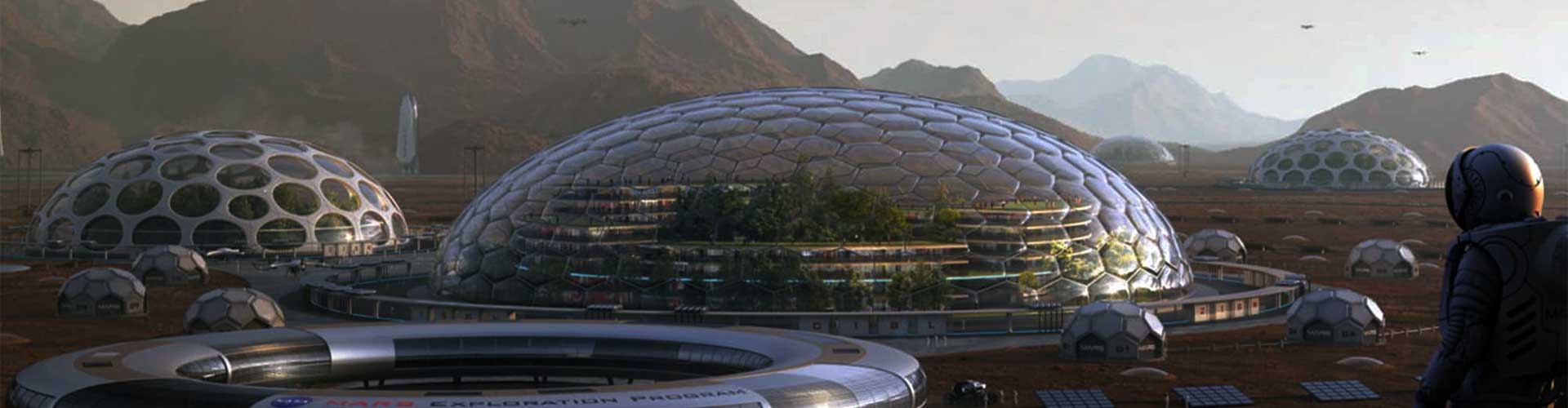 Colonizing Mars
 Top 10 Space YouTube Channels in 2023
 ASTRONOMIC
 The Interplanetary Podcast
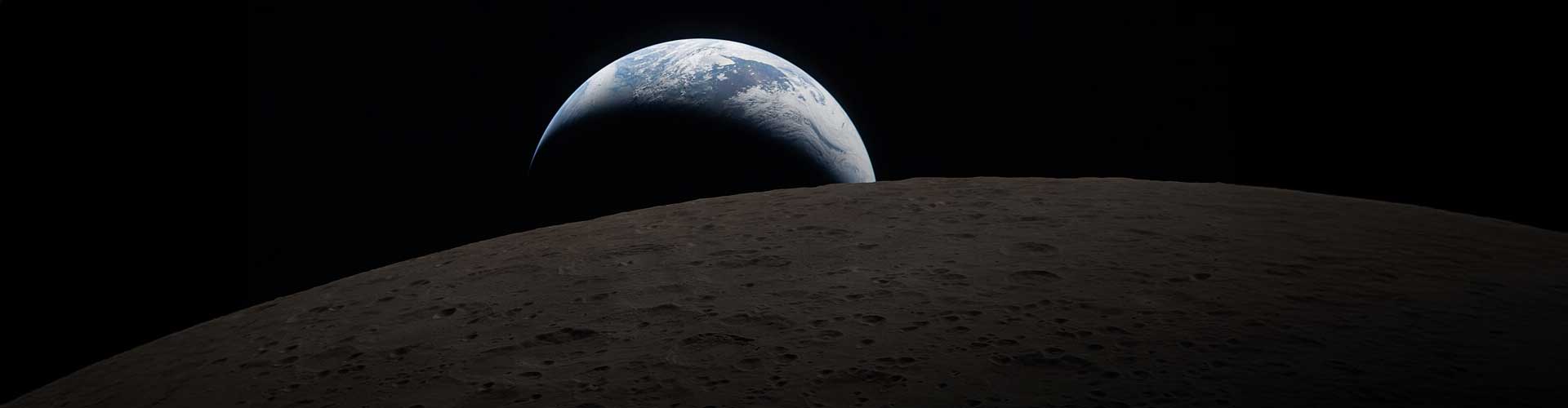 Top 10 Space YouTube Channels in 2026
 Chabot Space & Science Center
 Top 10 Space Youtube Channels 2020
 TOP 10 SPACE YOUTUBE CHANNELS 2019
 TOP 10 SPACE YOUTUBE CHANNELS 2018
 T Tauri stars
 Dr. Becky Smethurst
 360° Space Videos
 METI INTERNATIONAL




