When Is The Next Meteor Storm?
Skywatchers are always waiting and hoping for the next meteor storm — not 100 meteors per hour, but thousands of meteors per hour, or even more. When will we get another storm like the Leonids in 1833 or 1966? EarthSky's Deborah Byrd has the story.
EarthSky.org: https://earthsky.org/
Subscribe: https://subscribe.earthsky.org/
Store: https://earthskystore.org/
Team and About: https://earthsky.org/about/
North And South Taurid Meteor Showers Double Your Chances For Fireballs!
November meteor showers are underway! They begin with the South and North Taurids. The Taurids ramble across the sky from late October through mid-November. And when the two showers overlap, you can maybe see 5 to 10 meteors an hour. Some of the meteors might be fireballs. That's a meteor that is brighter than our brightest planet, Venus. Seeing just one fireball can be a memorable experience. Join EarthSky's Marcy Curran for details here.
Producer and Host: Marcy Curran
Visit EarthSky's meteor shower guide: https://earthsky.org/astronomy-essentials/earthskys-meteor-shower-guide/
For more night sky events visit: https://earthsky.org/astronomy-essentials/visible-planets-tonight-mars-jupiter-venus-saturn-mercury/
EarthSky.org: https://earthsky.org/
Subscribe: https://subscribe.earthsky.org/
Store: https://earthskystore.org/
Team and About: https://earthsky.org/about/
#meteors #meteorshowers #Taurids #stargazing #astronomy #Earthsky
Orionid meteor shower to peak this week, Hunter’s Moon to follow
Orionid meteor shower to peak this week, Hunter’s Moon to follow
Draconid Meteor Shower: What If The Dragon AWAKES?!
Join EarthSky's Marcy Curran with information about the peak of the annual Draconid meteor shower ... and there MIGHT be a meteor storm! They'll be best on the overnight of October 8. Check it out.
Read more about the Draconid meteor shower: https://earthsky.org/astronomy-essentials/everything-you-need-to-know-draconid-meteor-shower/
EarthSky.org: https://earthsky.org/
Subscribe: https://subscribe.earthsky.org/
Store: https://earthskystore.org/
Team and About: https://earthsky.org/about/
#draconids #meteors #meteorshowers #earthsky
What's Up: October 2026 Skywatching Tips from NASA
Saturn takes center stage, a meteor shower lights up the sky, and the Moon visits the Seven Sisters.
On October 4, Saturn reaches opposition, giving skywatchers one of the year's best opportunities to see the ringed planet. In addition, learn about a 10-sided atmospheric wave encircling Saturn's south pole that was recently revealed by NASA’s Hubble Space Telescope.
The Orionid meteor shower peaks October 21-22. Debris from Halley's Comet produces the meteors, but this year, a bright Moon will obscure some of the fainter streaks. The best viewing chances will likely be the hours before dawn, after the Moon sets.
Then, on October 27-28, look east in the evening for the Moon passing close to the Pleiades, also known as the Seven Sisters. The star cluster is visible to the unaided eye and even more spectacular through binoculars.
0:00 Intro
0:10 Saturn at Opposition
0:30 Saturn's South Pole Decagon
1:01 The Orionids Peak
1:39 The Pleiades aka Seven Sisters
2:20 Phases of the Moon
Additional information about topics covered in this episode of What's Up, along with still images from the video, and the video transcript, are available at https://science.nasa.gov/skywatching/whats-up.
— Additional Resources —
Find events and clubs with NASA's Night Sky Network: https://science.nasa.gov/skywatching/night-sky-network/
Skywatching resources from NASA: https://science.nasa.gov/skywatching
Credit: NASA/JPL-Caltech
Fireball over Spain (March 26) // Bola de fuego sobre Castilla-La Mancha (26 de marzo)
This bright bolide was spotted from Spain on March 26, at 4:28 local time (equivalent to 3:28 universal time). The event was generated by a rock (a meteoroid) from a comet that hit the atmosphere at about 85,000 km/h. The fireball overflew Cuenca. It began at an altitude of about 91 km over Villar de Cantos (province of Cuenca), moved southeast, and ended at a height of around 40 km over Los Pavos (province of Cuenca).
This bright meteor was recorded in the framework of the SMART project, operated by the Southwestern Europe Meteor Network (SWEMN) from the meteor-observing stations located at Ayora (Valencia), Huelva, La Hita (Toledo), Calar Alto (Almería), Sierra Nevada, La Sagra (Granada), Sevilla, Olocau (Valencia), Faro de Cullera (Valencia), Otura (Granada), and Mazagón (Huelva). The event has been analyzed by the principal investigator of the SMART project: Dr. Jose M. Madiedo, from the Institute of Astrophysics of Andalusia (IAA-CSIC). Its code in the SWEMN database is: SWEMN20260326_032843.
-----------------------------------------------
A las 4:28 de la noche (hora local peninsular española) del 26 de marzo, esta brillante bola de fuego fue grabada por los detectores del proyecto SMART.
El análisis del evento ha sido realizado por el astrofísico José María Madiedo, investigador del Instituto de Astrofísica de Andalucía (IAA-CSIC) y director del proyecto SMART. Este análisis ha permitido determinar que el fenómeno se produjo al entrar en la atmósfera de la Tierra una roca a una velocidad de unos 85 mil kilómetros por hora. La roca procedía de un cometa. El violento rozamiento con la atmósfera de nuestro planeta a esta enorme velocidad dio lugar a que la superficie de la roca se calentase hasta alcanzar una temperatura de varios miles de grados centígrados y se volviese incandescente, generándose así una bola de fuego que se inició a una altitud de unos 91 km sobre Villar de Cantos (provincia de Cuenca). Partiendo de ese punto inicial, avanzó en dirección sureste, y se extinguió a a unos 40 km de altitud sobre Los Pavos (provincia de Cuenca). La bola de fuego recorrió una distancia total en la atmósfera de la Tierra de unos 51 km.
Esta bola de fuego ha sido registrada por los sistemas del proyecto SMART desde las estaciones de detección ubicadas en Ayora (Valencia), Huelva, La Hita (Toledo), Calar Alto (Almería), Sierra Nevada, La Sagra (Granada), Sevilla, Olocau (Valencia), Faro de Cullera (Valencia), Otura (Granada) y Mazagón (Huelva). SMART es un proyecto del Consejo Superior de Investigaciones Científicas (CSIC) que se desarrolla en el marco de la Red de Bólidos y Meteoros del Suroeste de Europa (Red SWEMN). Esta red se coordina desde el Instituto de Astrofísica de Andalucía (IAA-CSIC) y tiene como objetivo monitorizar continuamente el cielo con el propósito de registrar y estudiar el impacto contra la atmósfera terrestre de rocas procedentes de otros objetos del Sistema Solar. El código identificador de este evento en la base de datos del proyecto SMART y de la red SWEMN es: SWEMN20260326_032843.
Fireball over southern Spain (Sep. 16) // Bola de fuego sobre sur de España (16 de septiembre)
This bright bolide was spotted from Spain on September 16, at 0:50 local time (equivalent to 22:50 universal time on September 15). At the start of the video, the fireball has been sonified by for outreach purposes: its light was converted into sound by means of a new technique developed by Dr. Madiedo in the framework of the SMART survey.
The event was generated by a rock (a meteoroid) from a comet that hit the atmosphere at about 118,000 km/h. The fireball overflew the provinces of Jaén and Ciudad Real (Spain). It began at an altitude of about 110 km over Puente de Génave (province of Jaén), moved northwest, and ended at a height of around 74 km over Torre de Juan Abad (province of Ciudad Real).
This bright meteor was recorded in the framework of the SMART project, operated by the Southwestern Europe Meteor Network (SWEMN) from the meteor-observing stations located at Huelva, La Hita (Toledo), Calar Alto (Almería), Sierra Nevada, La Sagra (Granada), Sevilla, Otura (Granada), and Mazagón (Huelva). The event has been analyzed by the principal investigator of the SMART project: Dr. Jose M. Madiedo, from the Institute of Astrophysics of Andalusia (IAA-CSIC). Its code in the SWEMN database is: SWEMN20260915_225005.
-----------------------------------------------
La brillante bola de fuego que se muestra en este vídeo fue grabada en la noche del 16 de septiembre, a las 0:50 (hora local peninsular española). Sobrevoló las provincias de Jaén y Ciudad Real, pero debido a su luminosidad pudo versde desde más de 600 km de distancia.
En la parte inicial del vídeo se ha sonificado la bola de fuego con fines divulgativos. Es decir, se ha convertido su luminosidad en sonido mediante una técnica novedosa desarrollada por el Dr. José María Madiedo en el marco del proyecto SMART.
El evento ha sido analizado por el investigador responsable del proyecto SMART, el astrofísico José María Madiedo del Instituto de Astrofísica de Andalucía IAA-CSIC. Como resultado de este análisis se ha determinado que la roca que provocó este fenómeno procedía de un cometa y entró en nuestra atmósfera a una velocidad de unos 118 mil kilómetros por hora. Al chocar violentamente contra el aire a esta gran velocidad, la superficie de la roca se calentó y se volvió incandescente, generándose así una bola de fuego que se inició a una altitud de unos 110 km sobre Puente de Génave (provincia de Jaén). Desde esa posición avanzó en dirección noroeste, extinguiéndose finalmente a una altitud de unos 74 km sobre Torre de Juan Abad (provincia de Ciudad Real). Destacó por mostrar una intensa explosión al final de su trayectoria. Esta explosión, que se debió a la ruptura brusca de la roca, provocó un aumento súbito de luminosidad. La bola de fuego recorrió una distancia total en la atmósfera de unos 48 km.
Esta bola de fuego ha sido registrada por los detectores del proyecto SMART desde las estaciones de detección ubicadas en Huelva, La Hita (Toledo), Calar Alto (Almería), Sierra Nevada, La Sagra (Granada), Sevilla, Otura (Granada) y Mazagón (Huelva). SMART es un proyecto del Consejo Superior de Investigaciones Científicas (CSIC) que desarrolla la Red de Bólidos y Meteoros del Suroeste de Europa (Red SWEMN). Se trata de una red de investigación coordinada desde el Instituto de Astrofísica de Andalucía (IAA-CSIC). La Red SWEMN tiene como objetivo monitorizar continuamente el cielo con el fin de registrar y estudiar el impacto contra la atmósfera terrestre de rocas procedentes de distintos objetos del Sistema Solar. El código identificador de este evento en la base de datos del proyecto SMART y de la red SWEMN es: SWEMN20260915_225005.
Fireball over Spain (Sept. 10) // Bola de fuego sobre España (10 de septiembre)
This video shows a bright bolide recorded on September 10, at 2:29 local time (equivalent to 0:29 universal time). The event was generated by a rock (a meteoroid) from a comet that hit the atmosphere at about 128,000 km/h. The fireball overflew the province of Ciudad Real (Spain). It began at an altitude of about 98 km over the locality of La Calzada de Calatrava (province of Ciudad Real), moved northwest, and ended at a height of around 38 km over the locality of Fernán Caballero (province of Ciudad Real).
This bright meteor was recorded in the framework of the SMART project, operated by the Southwestern Europe Meteor Network (SWEMN) from the meteor-observing stations located at Huelva, La Hita (Toledo), Calar Alto (Almería), Sierra Nevada, La Sagra (Granada), Sevilla, Otura (Granada), and Mazagón (Huelva). The event has been analyzed by the principal investigator of the SMART project: Dr. Jose M. Madiedo, from the Institute of Astrophysics of Andalusia (IAA-CSIC). Its code in the SWEMN database is: SWEMN20260910_002947.
-----------------------------------------------
La brillante bola de fuego que se muestra en este vídeo fue grabada en la noche del 10 de septiembre, a las 2:29 (hora local peninsular española). Sobrevoló la provincia de Ciudad Real, pero debido a su gran luminosidad (similar a la de la Luna llena) pudo verse desde toda la Península Ibérica.
El evento ha sido analizado por el investigador responsable del proyecto SMART, el astrofísico José María Madiedo del Instituto de Astrofísica de Andalucía IAA-CSIC. Este análisis ha revelado que el fenómeno tuvo lugar al entrar en la atmósfera de la Tierra una roca a una velocidad de unos 128 mil kilómetros por hora. La roca procedía de un cometa. El brusco rozamiento con la atmósfera de nuestro planeta a esta enorme velocidad hizo que la superficie de la roca se calentase hasta alcanzar una temperatura de varios miles de grados centígrados y se volviese incandescente, generándose así una bola de fuego que se inició a una altitud de unos 98 km sobre La Calzada de Calatrava (provincia de Ciudad Real). Partiendo de ese punto inicial, avanzó en dirección noroeste, y finalizó a a unos 38 km de altitud sobre Fernán Caballero (provincia de Ciudad Real). La distancia total que recorrió la bola de fuego en la atmósfera terrestre antes de extinguirse fue de unos 81 km.
Esta bola de fuego ha sido registrada por los detectores del proyecto SMART desde las estaciones de detección ubicadas en Huelva, La Hita (Toledo), Calar Alto (Almería), Sierra Nevada, La Sagra (Granada), Sevilla, Otura (Granada) y Mazagón (Huelva). SMART es un proyecto del Consejo Superior de Investigaciones Científicas (CSIC) que se desarrolla en el marco de la Red de Bólidos y Meteoros del Suroeste de Europa (Red SWEMN). Esta red se coordina desde el Instituto de Astrofísica de Andalucía (IAA-CSIC) y tiene como objetivo monitorizar continuamente el cielo con el fin de registrar y estudiar el impacto contra la atmósfera terrestre de rocas procedentes de otros objetos del Sistema Solar. El código identificador de este evento en la base de datos del proyecto SMART y de la red SWEMN es: SWEMN20260910_002947.
PERSEIDS METEOR SHOWER 2026 OVER CYPRUS 🇨🇾
The Sky Came Alive!
Perseid Meteor Shower 2026 Over Cyprus
A night we will never forget!
On 12 August 2026, we gathered beneath #astrovercecyprus #astrophotography #cyprusastronomy #neverstoplookingup #astrophotographers #cyprusplanetarium #perseids2026 #thecyprusplanetarium the dark skies of Amiantos Astropark to experience the peak of the Perseid Meteor Shower.
People of all ages came together to watch meteors light up the sky, share stories and enjoy the magic of astronomy. This is what stargazing is all about meeting new people and creating unforgettable memories under the same sky.
Enjoy the video and let us know how many meteors you can spot!
Never Stop Looking Up… 🔭🔭
#PerseidMeteorShower #Perseids2026 #MeteorShower #AstroVerceCyprus #AmiantosAstropark #Cyprus #Stargazing #Astronomy #NightSky #NeverStopLookingUp
Fireball over the Mediterranean Sea (Aug. 23) // Bola de fuego sobre el Mediterráneo (23 agosto)
This video shows a bright bolide recorded on August 23, at 5:21 local time (equivalent to 3:21 universal time). It was almost as bright as the full Moon. The event was generated by a rock (a meteoroid) from an asteroid that hit the atmosphere at about 77,000 km/h. The fireball overflew the Mediterranean Sea. It began at an altitude of about 87 km over the Mediterranean Sea, moved northeast, and ended at a height of around 28 km over the sea.
This bright meteor was recorded in the framework of the SMART project, operated by the Southwestern Europe Meteor Network (SWEMN) from the meteor-observing stations located at Huelva, La Hita (Toledo), Calar Alto (Almería), Sierra Nevada, La Sagra (Granada), Sevilla, and Mazagón (Huelva). The event has been analyzed by the principal investigator of the SMART project: Dr. Jose M. Madiedo, from the Institute of Astrophysics of Andalusia (IAA-CSIC). Its code in the SWEMN database is: SWEMN20260823_032108.
-----------------------------------------------
A las 5:21 de la noche (hora local peninsular española) del 23 de agosto, esta brillante bola de fuego fue grabada por los detectores del proyecto SMART. Alcanzó un brillo semejante al de la Luna llena.
El director del proyecto SMART, el astrofísico José María Madiedo del Instituto de Astrofísica de Andalucía (IAA-CSIC), ha llevado a cabo el análisis del evento. Este análisis ha permitido establecer que el fenómeno se produjo al entrar en la atmósfera una roca a una velocidad de unos 77 mil kilómetros por hora. La roca procedía de un asteroide. El violento rozamiento con la atmósfera de la Tierra a esta enorme velocidad hizo que la superficie de la roca se calentase y se volviese incandescente, generándose así una bola de fuego que se inició a una altitud de unos 87 km sobre el Mediterráneo. Desde allí avanzó en dirección noreste, extinguiéndose finalmente a una altitud de unos 28 km sobre el mismo mar. Destacó por mostrar varias explosiones a lo largo de su trayectoria. Estas explosiones, que se debieron a diversas rupturas bruscas de la roca, provocaron aumentos súbitos de luminosidad. Antes de extinguirse, esta bola de fuego recorrió en la atmósfera terrestre una distancia total de unos 87 km.
Esta bola de fuego ha sido grabada por los sistemas del proyecto SMART desde las estaciones de detección ubicadas en Huelva, La Hita (Toledo), Calar Alto (Almería), Sierra Nevada, La Sagra (Granada), Sevilla y Mazagón (Huelva). SMART es un proyecto del Consejo Superior de Investigaciones Científicas (CSIC) que se desarrolla en el marco de la Red de Bólidos y Meteoros del Suroeste de Europa (Red SWEMN). Esta red se coordina desde el Instituto de Astrofísica de Andalucía (IAA-CSIC) y tiene como objetivo monitorizar continuamente el cielo con la finalidad de registrar y estudiar el impacto contra la atmósfera terrestre de rocas procedentes de otros objetos del Sistema Solar. El código identificador de este evento en la base de datos del proyecto SMART y de la red SWEMN es: SWEMN20260823_032108.
Up All Night! Watch the 2026 Perseids Meteor Shower with NASA Experts
Grab a blanket, a snack - maybe some caffeine - and stay up late with us as we watch the 2026 Perseids meteor shower! The Perseids is one of the best annual meteor showers - known for its bright fireballs. The shower peaks on the morning of Aug. 13, when viewers could see up to 50 meteors an hour if viewing conditions are favorable.
Marshall is hosting this watch party live on YouTube at 11 p.m. CT on Aug. 12. Throughout the broadcast, we will show real-time sky imagery from Marshall’s Automated Lunar and Meteor Observatory (ALaMO). Meteoroid experts from Marshall and guest subject matter experts will join the event to discuss the science behind the Perseids and answer YOUR questions in real time.
Learn more about the Perseids and other sky events on our Watch the Skies blog: https://www.nasa.gov/blogs/watch-the-skies/
Perseid Meteor Shower Peaks Tonight! How to See It (Aug 12-13)
Don't miss the peak of the Perseid Meteor Shower! Here is everything you need to know to see the Perseids tonight, including peak viewing times and where to look in the night sky.
Subscribe & Follow Late Night Astronomy on:
https://youtube.com/latenightastronomy
https://www.instagram.com/latenightastronomy
Check out the App used in this video:
https://skysafariastronomy.com
Check out astronomy products using my affiliate links. If you use these links I may earn a small commission.
High Point Scientific:
https://www.highpointscientific.com/?rfsn=6336276.a00265b
Agena Astro:
https://agenaastro.com/?rfsn=8980985.305b53
Sources:
SkySafari 8 Pro, In-The-Sky.org, amsmeteors.org, alpo-astronomy.org, cloudynights.com
#meteorshower #perseids #space #astronomy #astrophotography
“The heavens declare the glory of God”-Psalm 19:1
Perfect Chance: A Direct Solar Storm Hit & Total Solar Eclipse | Solar Storm Forecast 11 August 2026
00:00 Intro: Two solar storms inbound — direct hit + glancing blow
00:40 Sponsor: Millersville University space weather program
01:40 Storm breakdown: full halo + denser glancing-blow
03:18 Long coronal hole boosting solar wind impact
05:20 Old region 4493 + new active regions emerging
06:04 360° sun view via Stereo A and Solar Orbiter
08:43 NOAA and NASA solar storm prediction models
12:10 Total solar eclipse coincides with the storms
14:23 Moon phase and Perseid meteor shower peak
14:55 Aurora chances: 5-day outlook
16:37 Solar flare and dayside radio blackout outlook
17:36 Radiation storm outlook /aviation safety levels
18:05 Wrap-up and GPS user advisory
This Space Weather News forecast sponsored in part by Millersville University:
https://www.millersville.edu/swen
Want early access to these forecasts, tutorials on Space Weather, & more? Visit:
https://patreon.com/SpaceweatherWoman
For daily and often hourly updates (during active times) visit me on Twitter:
https://twitter.com/TamithaSkov
For a more in-depth look at the data and images highlighted in this video see these links below.
Solar Imaging and Analysis:
SDO: http://sdo.gsfc.nasa.gov/data/
Helioviewer: http://www.helioviewer.org/
Flare Analysis: http://www.lmsal.com/solarsoft/latest_events/
Computer Aided CME Tracking CACTUS: http://www.sidc.oma.be/cactus/out/latestCMEs.html
GOES Xray: http://www.swpc.noaa.gov/rt_plots/xray_1m.html
SOHO: http://sohodata.nascom.nasa.gov/
Stereo: http://stereo.gsfc.nasa.gov/
GONG magnetic field synoptic movie: https://gong.nso.edu/data/magmap/standard_movie.html
GONG magnetic field synoptic charts: http://gong.nso.edu/data/magmap/
LMSAL Heliophysics Events HEK http://www.lmsal.com/isolsearch
Solar Wind:
DISCOVR solar wind: http://www.swpc.noaa.gov/products/real-time-solar-wind
ACE Solar Wind: http://www.swpc.noaa.gov/products/ace-real-time-solar-wind
NASA/CCMC/M2M Enlil Solar Storm Prediction Model: https://iswa.gsfc.nasa.gov/IswaSystemWebApp/iSWACygnetStreamer?timestamp=2038-01-23+00%3A44%3A00&window=-1&cygnetId=261
NOAA/SWPC Enlil Solar Storm Prediction Model: http://www.swpc.noaa.gov/products/wsa-enlil-solar-wind-prediction
Magnetosphere, Ionosphere, Atmosphere:
GOES Magnetometer: http://www.swpc.noaa.gov/products/goes-magnetometer
Ionosphere D-Region Absorption (DRAP) model: http://www.swpc.noaa.gov/products/d-region-absorption-predictions-d-rap/
Radio Propagation: https://www.tvcomm.co.uk/g7izu/atlantic-mf-hf-propagation-20min-persistence/
Near-Earth radiation environment: https://spaceweather.gfz-potsdam.de/products-data/forecasts
Auroral Oval Ovation Products: http://www.swpc.noaa.gov/products/aurora-30-minute-forecast
Global 3-hr Kp index: http://www.swpc.noaa.gov/products/planetary-k-index
GEOCHRON Weather Display: www.geochron.com
USGS Ground Magnetometers: http://geomag.usgs.gov/realtime/
Multi-Purpose Space Environment Sites:
NOAA/SWPC: http://www.swpc.noaa.gov
SOLARHAM: http://www.solarham.net/index.htm
Spaceweather: http://spaceweather.com
iSWA: http://iswa.gsfc.nasa.gov/iswa/iSWA.html
Definition of Geomagnetic Storm, Radiation Storm, and Radio Blackout Levels:
http://www.swpc.noaa.gov/NOAAscales/
None of this would be possible without the hard work and dedication of those who have provided all of this data for public use.
Images c/o NASA/NOAA/ESA/CSA (most notably the superb SDO, SOHO, ACE, DSCOVR, STEREO, CCMC, M2M, JPL & DSN teams, amazing professionals, hobbyists, institutions, organizations, agencies and amateurs such as those at the USAF/HAARP, NICT, NOAA, USGS, Environment Canada, Natural Resources Canada, Intellicast, Catatania, rice.edu, wisc.edu, sonoma.edu ucalgary.ca, rssi.ru, ohio-state.edu, solen.info, and so much more. Thanks for making Space Weather part of our every day dialogue.
Explaining the science behind the upcoming Perseid meteor shower
Meteorologist Zoe Mintz explains the science behind the upcoming Perseid meteor shower.
The Perseid Meteor Shower | August 10 - August 16 | Star Gazers
The Perseid Meteor Shower is back, and this year’s dark, moonless skies make for spectacular viewing! Trace shows you how to use the Big and Little Dippers to find Perseus, where the meteors appear to radiate, and explains how these dazzling streaks are tiny pieces of Comet Swift-Tuttle burning up in Earth’s atmosphere. Grab a blanket, head to a dark location on August 12–13, and enjoy one of the year's best celestial shows! 🔭✨
Star Gazers is the world’s only weekly series on naked eye astronomy. Each weekly episode features selected objects for naked eye viewing during the following week.
Learn more - https://www.stargazersonline.org
Watch more Star Gazers videos here - https://www.youtube.com/playlist?list=PLr4S3PqZjXgnu5yjlunwQpU8Q03iu8IXb
----------------------------------
Subscribe to our channel: https://www.youtube.com/@SouthFloridaPBS
Follow us on Instagram: https://www.instagram.com/wpbt2/
Follow us on TikTok: https://www.tiktok.com/@southfloridapbs
Follow us on Bluesky: https://bsky.app/profile/southfloridapbs.bsky.social
We couldn’t do this without you! Support South Florida PBS by donating here: https://bit.ly/SupportSFPBS
----------------------------------
#Meteor #Perseid #Perseus #Astronomy #Stargazing #NightSky
When and where to look to see the most meteors | Perseid Meteor Shower Aug 2026
While the meteor shower has started, the peak night will be August 12-13th. Look up and slightly northeast. The radiant will be the constellation Perseus. We will have NO moonlight thanks to a new moon! This is ideal because the moon can act like a night light, making it tougher to see more faint shooting stars.
Realistically we may see up to 20-30 meteors per hour, or roughly 1 per 2-3 minutes.
As we get closer, we'll have a better idea about cloud and haze (smoke) chances.
We recommend you do not look just northeast. The meteors may appear like they are starting in the northeastern sky, but they will quickly shoot across the rest of the sky. Look up and maybe slightly northeast. Get away from city lights and enjoy the view!
The most amount of meteors will appear after 11PM.
-13News Meteorologist Matt Standridge
#meteor #shower #perseid
What's Up: August 2026 Skywatching Tips from NASA
A solar eclipse, one of the year's best meteor showers, Venus at its brightest in the evening sky, and a partial lunar eclipse to close out the month.
On August 12, a total solar eclipse crosses northern Russia, Greenland, Iceland, northern Spain, and a small corner of Portugal. In parts of the United States, from Alaska to North Carolina, the eclipse will be partial. Use certified eclipse glasses or a safe solar viewer whenever any part of the Sun is visible.
Later that night, the Perseid meteor shower peaks under the dark skies of the New Moon. Around August 14 through 16, Venus shines low in the west after sunset, and on August 27-28, a partial lunar eclipse is visible from much of the Americas and parts of Europe and Africa.
0:00 Intro
0:11 Solar eclipse
0:41 Perseid meteor shower
1:27 Venus after sunset
1:41 Partial lunar eclipse
2:22 August Moon phases
Additional information about topics covered in this episode of What's Up, along with still images from the video, and the video transcript, are available at https://science.nasa.gov/skywatching/whats-up.
-- Additional Resources --
Find events and clubs with NASA's Night Sky Network: https://science.nasa.gov/skywatching/night-sky-network/
Skywatching resources from NASA: https://science.nasa.gov/skywatching
Credit: NASA/JPL-Caltech
Strong Evidence for a Previously Unknown Destroyed Planet in the Solar System
Support this channel on Patreon to help me make this a full time job: https://www.patreon.com/whatdamath (Unreleased videos, extra footage, DMs, no ads)
Alternatively, PayPal donations can be sent here: http://paypal.me/whatdamath
Get a Wonderful Person Tee: https://teespring.com/stores/whatdamath
More cool designs are on Amazon: https://amzn.to/3QFIrFX
Hello and welcome! My name is Anton and in this video, we will talk about a missing destroyed planet in the solar system
Links:
https://www.colorado.edu/today/2026/06/01/rare-meteorite-provides-evidence-giant-early-planet
DOI: 10.1016/j.epsl.2026.120029
Other videos:
https://www.youtube.com/watch?v=FpTfXn-ff8Y
https://www.youtube.com/watch?v=-Y8uFwm677k&vl=en
#science #astronomy #solarsystem
0:00 Destroyed planet in the early solar system
1:25 Meteorite that reveals all of this
3:20 Strange crystals inside
4:20 What sort of a planet this was
5:40 Implications for planetary formation and other star systems
7:15 Hypothetical planets in the solar system: Phaethon, Planet Nine and Planet Five
8:40 Conclusions and implications
10:50 Einstein and Vulcan
Enjoy and please subscribe
Bitcoin/Ethereum to spare? Donate them here to help this channel grow!
bc1qnkl3nk0zt7w0xzrgur9pnkcduj7a3xxllcn7d4
or ETH: 0x60f088B10b03115405d313f964BeA93eF0Bd3DbF
The hardware used to record these videos:
New Camera: https://amzn.to/4pCVINS
CPU: https://amzn.to/4qXIaxC
Video Card: https://amzn.to/2M1W26C
Motherboard: https://amzn.to/2JYGiQQ
RAM: https://amzn.to/2Mwy2t4
PSU: https://amzn.to/2LZcrIH
Case: https://amzn.to/2MwJZz4
Microphone: https://amzn.to/2t5jTv0
Mixer: https://amzn.to/2JOL0oF
Recording and Editing: https://amzn.to/2LX6uvU
Some of the above are affiliate links, meaning I would get a (very small) percentage of the price paid.
Thank you to all Patreon supporters of this channel
Special thanks also goes to all the wonderful supporters of the channel through YouTube Memberships
Credit:
Mark Garlick www.markgarlick.com
John Kashuba Aaron Bell/CU Boulder
A. Angelich / NRAO / AUI / NSF.
Jon Taylor CC BY SA 2.0 https://en.wikipedia.org/wiki/Angrite#/media/File:NWA_2999_meteorite,_angrite.jpg
Licenses used:
https://creativecommons.org/licenses/by/4.0/
and relevant Creative Commons licenses
Something Changed: Why 2026 Has Record-Breaking Meteorite Reports
Support this channel on Patreon to help me make this a full time job: https://www.patreon.com/whatdamath (Unreleased videos, extra footage, DMs, no ads)
Alternatively, PayPal donations can be sent here: http://paypal.me/whatdamath
Get a Wonderful Person Tee: https://teespring.com/stores/whatdamath
More cool designs are on Amazon: https://amzn.to/3QFIrFX
Hello and welcome! My name is Anton and in this video, we will talk about a strange increase in meteorites in 2026
Links:
https://amsmeteors.org/ams-q1-2026-fireball-analysis.html
Previous videos: https://youtu.be/NLpznQfAwU4
https://youtu.be/MiG0qhIC8LQ
#meteorite #science #astronomy
0:00 Meteors, meteors everywhere!
1:30 What's going on?
3:00 Data we have so far
5:20 March was most intense
6:00 Unexpected origins
7:50 What's happening then? Possible explanations
10:20 Conclusions
Enjoy and please subscribe
Bitcoin/Ethereum to spare? Donate them here to help this channel grow!
bc1qnkl3nk0zt7w0xzrgur9pnkcduj7a3xxllcn7d4
or ETH: 0x60f088B10b03115405d313f964BeA93eF0Bd3DbF
The hardware used to record these videos:
New Camera: https://amzn.to/4pCVINS
CPU: https://amzn.to/4qXIaxC
Video Card: https://amzn.to/2M1W26C
Motherboard: https://amzn.to/2JYGiQQ
RAM: https://amzn.to/2Mwy2t4
PSU: https://amzn.to/2LZcrIH
Case: https://amzn.to/2MwJZz4
Microphone: https://amzn.to/2t5jTv0
Mixer: https://amzn.to/2JOL0oF
Recording and Editing: https://amzn.to/2LX6uvU
Some of the above are affiliate links, meaning I would get a (very small) percentage of the price paid.
Thank you to all Patreon supporters of this channel
Special thanks also goes to all the wonderful supporters of the channel through YouTube Memberships
Credit:
Mark Garlick www.markgarlick.com
AMS, Katharina A, megan b, Krystal C https://fireball.amsmeteors.org/members/imo_video/view_video?video_id=21329
ESA/AllSky7 fireball network
Ponderosa Fire Department
Meteorite Recon CC BY sa 3.0 https://en.wikipedia.org/wiki/Diogenite#/media/File:Tatahouine_Diogenite_72g.jpg
Geo Lightspeed7 CC BY SA 4.0 https://en.wikipedia.org/wiki/Chondrite#/media/File:NWA_Chondrite.jpg
Licenses used:
https://creativecommons.org/licenses/by/4.0/
and relevant Creative Commons licenses
What's Up: December 2025 Skywatching Tips from NASA
What are some skywatching highlights in December 2025?
The 3I/ATLAS comet makes its closest approach to Earth, the Geminid meteor shower sparkles across the sky, and the Moon and Jupiter get close for a conjunction.
0:00 Intro
0:13 3I/ATLAS
1:24 Geminid meteor shower
1:57 Moon + Jupiter conjunction
2:31 December Moon phases
Additional information about topics covered in this episode of What's Up, along with still images from the video, and the video transcript, are available at https://science.nasa.gov/skywatching/whats-up.
— Additional Resources —
Find events and clubs: NASA's Night Sky Network (https://science.nasa.gov/skywatching/night-sky-network/)
Skywatching resources from NASA
(https://science.nasa.gov/skywatching)



 Meteor Crater Arizona
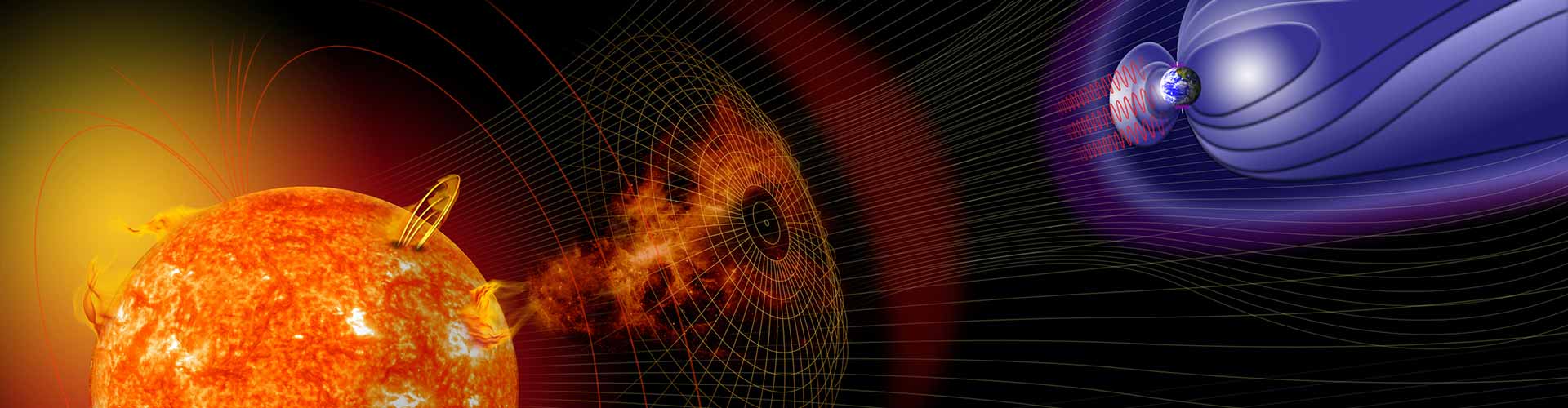 Space Weather
 IRIS (NASA Satellite)
 Solar Orbiter (ESA Spacecraft)
 ECLIPSES
 SMILE (spacecraft)
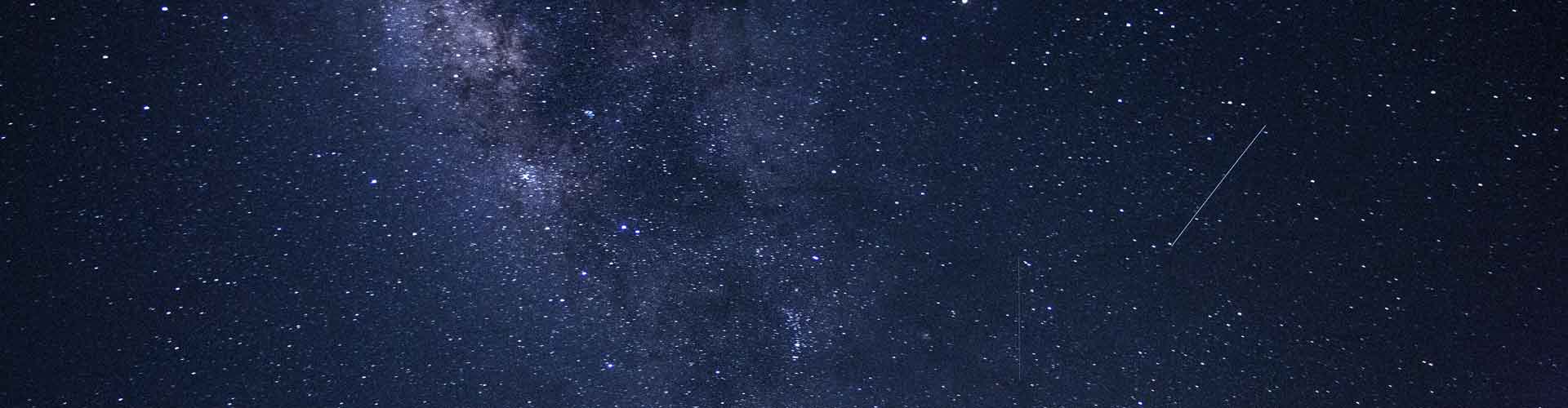 PERSEID METEOR SHOWER
 Vigil (ESA Spacecraft)
 NASA’s Johnson Space Center
 Aditya-L1 (ISRO Spacecraft)
 Parker Solar Probe (NASA spacecraft)
 Proba-3 (ESA spacecraft)
 ASTEROID DAY
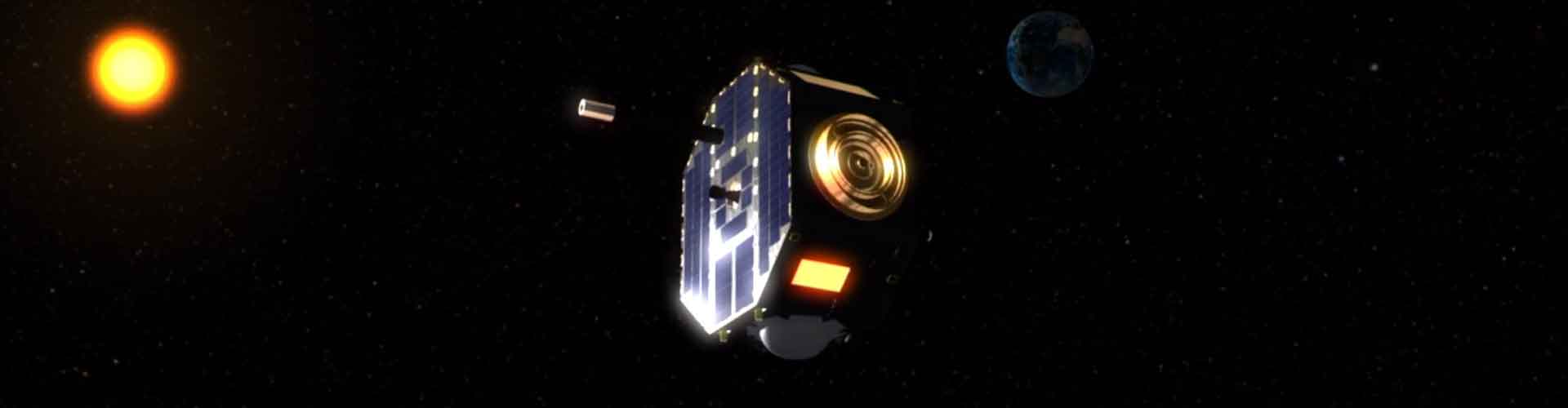 Interstellar Boundary Explorer (NASA Satellite)
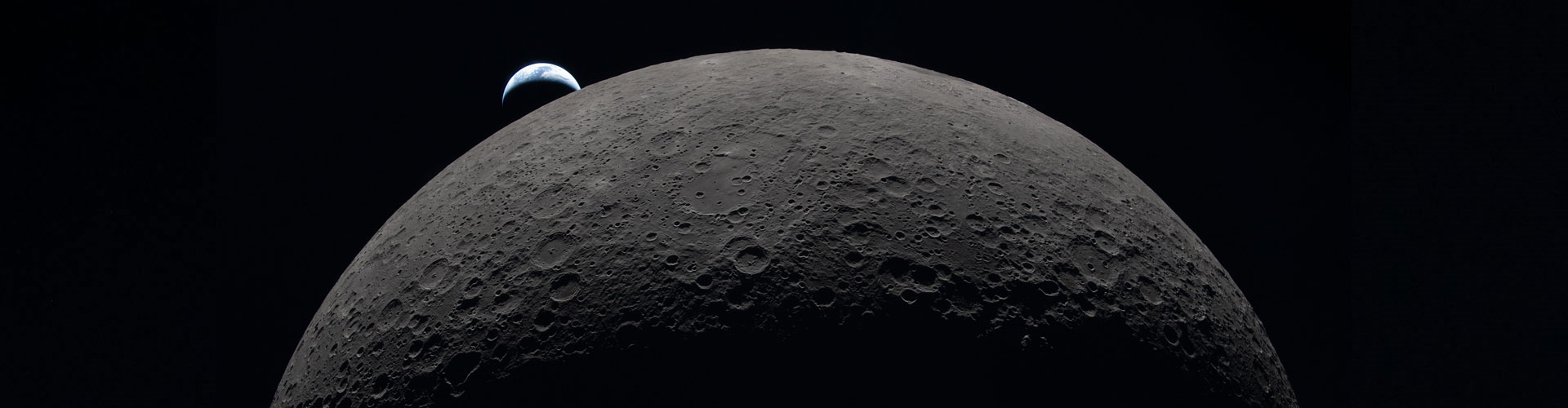 The Moon
 DWARF PLANET ERIS
 PLANET EARTH




